
Primary Science Tuition Singapore: PSLE Preparation for P3–P6 Students
When Should Your Child Start Primary Science Tuition?
Starting in P3 or P4: Building Strong Foundations
Starting in P5 or P6: Intensive PSLE Preparation

Why Students Struggle in Science
- Concepts are abstract and hard to visualise
- Students struggle to apply knowledge to PSLE-style questions
- Traditional tuition or school lessons often use a one-size-fits-all approach
- Confidence dips when results don’t reflect effort
- Some students get bored while others fall behind in mixed-ability classes
Why Choose Our Primary Science Tuition in Singapore?
Small Class Sizes for Maximum Attention
Proven Track Record in PSLE Science
Experienced MOE-Trained Tutors
Personalised Primary Science Tuition for Every Child




What Topics Are Covered in Primary Science in Singapore?
The MOE Primary Science syllabus in Singapore is designed to build a strong foundation in scientific concepts while developing critical thinking and application skills. Students learn through a thematic approach that connects different topics, helping them understand how scientific ideas relate to real-world situations.
At the core of the syllabus are key themes such as Diversity, Cycles & Systems, and Interactions & Energy. These themes guide students in understanding the variety of living and non-living things, how systems and processes work, and how forces and energy affect the world around them. This structured approach prepares students to handle PSLE Science questions with greater clarity and confidence.
At our primary science tuition in Singapore, lessons are closely aligned with the MOE syllabus, with a focus on helping students apply concepts effectively through guided practice and clear explanations.
The Three Core Themes of the MOE Primary Science Syllabus
The Primary Science curriculum is organised into interconnected themes that support progressive learning and deeper understanding.
Our teaching approach reinforces these themes through structured explanations, real-world examples, and targeted practice, helping students connect concepts and perform confidently in examinations.
P3
- Diversity of living and non-living things
- Diversity of materials
- Life cycles
- Magnets
90 mins
- Applying Knowledge
- Crafting structured answers
- Understanding context in question
- Understanding concepts using Mind mapping and Story method
- Guided approaches with help of exercises to gain experience
P4
- Plant system
- Human system
- Matter
- Light
- Heat
90 mins
P5
- Reproduction
- Water
- Plant respiratory and circulatory systems
- Human respiratory and circulatory systems
- Electrical system
90 mins
P6
- Photosynthesis
- Energy conversion
- Interactions of forces
- Interactions within the environment
90 mins



Grasp scientific concepts clearly and apply them confidently
Tackle PSLE-style application questions with proven strategies
Show measurable improvement in school results (e.g., 20–30% average improvement within one term)
Develop a love for science through discovery and experimentation
Key Topics Covered
- Diversity of living and non-living things
- Diversity of materials
- Life cycles
- Magnets
Duration
90 mins
Common Challenges
- Applying Knowledge
- Crafting structured answers
- Understanding context in question
Our Approach
- Understanding concepts using Mind mapping and Story method
- Guided approaches with help of exercises to gain experience
Key Topics Covered
- Plant system
- Human system
- Matter
- Light
- Heat
Duration
90 mins
Common Challenges
- Applying Knowledge
- Crafting structured answers
- Understanding context in question
Our Approach
- Understanding concepts using Mind mapping and Story method
- Guided approaches with help of exercises to gain experience
Key Topics Covered
- Reproduction
- Water
- Plant respiratory and circulatory systems
- Human respiratory and circulatory systems
- Electrical system
Duration
90 mins
Common Challenges
- Applying Knowledge
- Crafting structured answers
- Understanding context in question
Our Approach
- Understanding concepts using Mind mapping and Story method
- Guided approaches with help of exercises to gain experience
Key Topics Covered
- Photosynthesis
- Energy conversion
- Interactions of forces
- Interactions within the environment
Duration
90 mins
Common Challenges
- Applying Knowledge
- Crafting structured answers
- Understanding context in question
Our Approach
- Understanding concepts using Mind mapping and Story method
- Guided approaches with help of exercises to gain experience
Support for Different Learning Needs




meet our tutors
Each one combines subject mastery with practical strategies to help every child improve consistently.
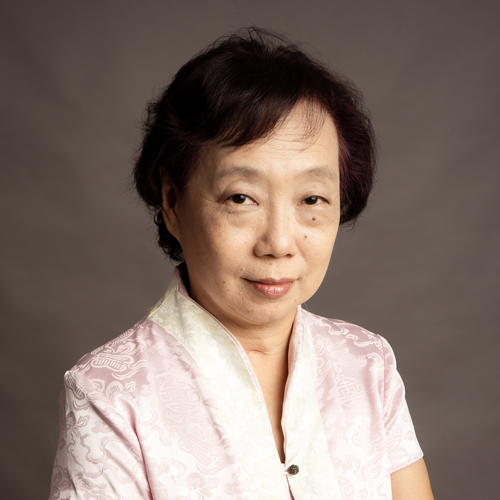
- Specialises in simplifying difficult concepts and word problems.
- Adapts lessons to each child’s pace, including students needing extra support.
- Focuses on building confidence, independence, and perseverance — not just grades.
- Helps students discover that learning can be meaningful and manageable.
- Holds an Honours Degree in Chemistry from NTU.
- Tutors secondary Chemistry and Science since 2004.
- Taught students from top schools such as Henry Park, MGS, Nan Hua and Rulang.
- Creates personalised action plans to meet each student’s goals.
- Outstanding results: over 90% A1 rates, improvements from F9 to A1.
- Patient, understanding educator experienced with ADHD students.
- Conducting effective Zoom lessons since 2020.
- Successfully coached students from top schools, including Hwa Chong Institution, ACSI, NJC, Victoria School, St. Joseph’s Institution, BPGHS, and Chung Cheng High School.


- Teaches Sec 1–4 A Math and E Math.
- Taught students from Hwa Chong, ACSI, Nanyang Girls’ and SJI.
- Develops his own effective teaching materials.
- Focuses on building intrinsic motivation and independent thinking.
- Uses concept-based explanations and relatable examples over memorisation.
our results & parent testimonials
“My daughter went from 60s to high 80s in just one term. The methods really work.”

“Finally, my son understands how to solve problem sums — not just memorise steps.”
“The small group setting made such a difference. The tutor actually notices where my child gets stuck.”

Fees & Schedule
Frequency: Weekly
Frequency: Twice weekly

Frequency: Weekly
Frequently Asked Questions
Each class has 4–10 students to ensure individual attention.
Absolutely. We adapt formats based on your child's learning needs.
Through mock exams, timed drills, and targeted revision based on past PSLE trends.
Parents receive reports every term and direct feedback from tutors.
Our PSLE science tuition in Singapore differs from school lessons in several key ways: smaller class sizes (4-10 students vs. 30-40), personalised worksheets tailored to individual learning gaps, focused exam answering techniques, and dedicated time for one-on-one clarification. While school teachers follow a standardised pace, our tutors adapt to each child's learning speed and provide targeted support for PSLE preparation.
Students can join our primary science tuition classes at any point during the year. We conduct an initial assessment to identify your child's current level and knowledge gaps, then provide catch-up materials and personalised support to help them integrate smoothly into the class.
Our PSLE science tuition programme uses a structured keyword spotting and answering framework. We teach students to identify key scientific concepts in questions, structure their answers using proper terminology, and apply mark scheme strategies. Students practice with past PSLE papers and receive detailed feedback on their answering techniques.
All materials are included in our tuition fees. Students receive customised worksheets, practice papers, revision notes, and access to our resource library. You don't need to purchase additional textbooks or materials.
Call 9027 4386 or WhatsApp us for enquiries.
Contact Info
Contact Number
Call 90274386 or WhatsApp us for enquiries.
Weekly mock papers and topical timed practices
Review of past PSLE trends and high-frequency question types
Signature answering techniques for open-ended questions
Confidence-building and stress management strategies